
How Alligator Skulls Are Cleaned

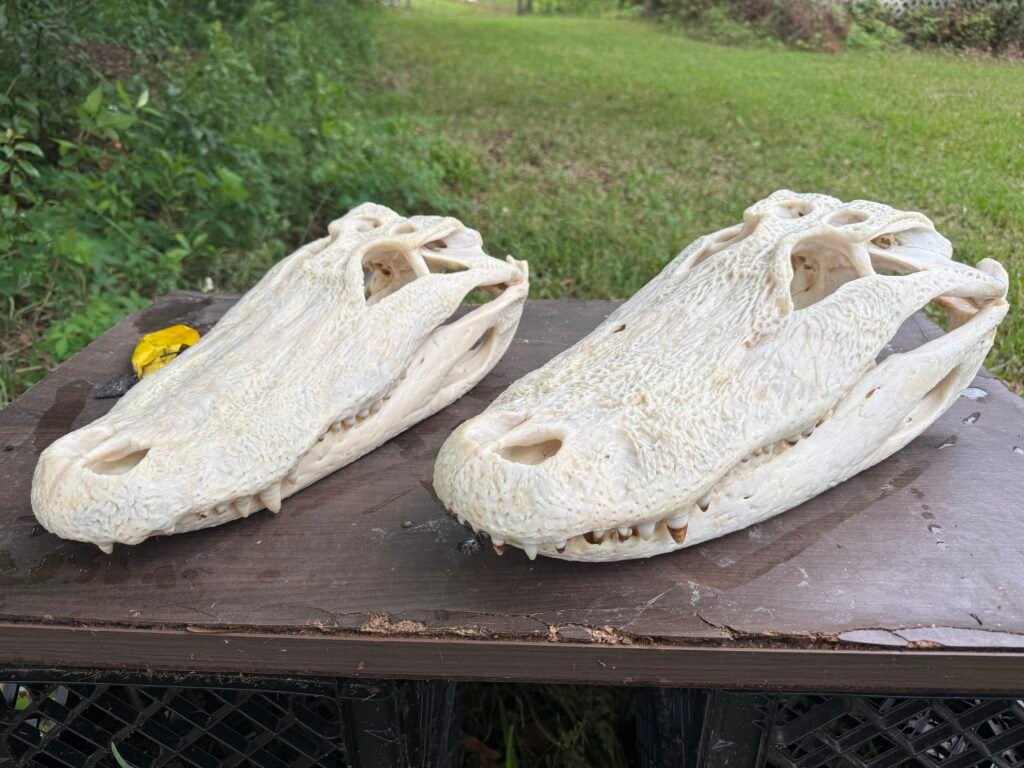
How to Make an Alligator European Mount: Step-by-Step Guide to Cleaning and Mounting an Alligator Skull
An alligator European mount is one of the most popular and visually striking ways to preserve a trophy alligator. Unlike traditional taxidermy, an alligator skull mount showcases the natural anatomy, teeth, and bone structure of the animal, creating a clean and professional display that can last for decades.
Whether you’re a hunter looking to create a DIY alligator European mount or simply want to learn more about alligator skull cleaning and preservation, this guide will walk you through every step of the process. From removing tissue and whitening the skull to mounting it for display, you’ll learn how to create a museum-quality alligator skull mount.
What Is an Alligator European Mount?
An alligator European mount is a cleaned and preserved alligator skull displayed without skin or artificial materials. The process focuses on highlighting the natural beauty of the skull while preserving its structure for long-term display.
Benefits of an alligator European mount include:
Showcasing the natural anatomy of the alligator
Taking up less space than traditional taxidermy
Providing a durable, long-lasting trophy display
Offering a cost-effective alternative to full-body mounts
Creating a unique conversation piece for your home, office, or hunting camp
What You’ll Need
Before you begin cleaning your alligator skull, gather the following supplies:
Sharp skinning knife
Disposable gloves
Large stock pot or turkey fryer
Propane burner
Water
Dawn dish soap or degreasing detergent
Hydrogen peroxide (3%-12%)
Pressure washer
Soft-bristle brush
Tongs or lifting hooks
Super glue or epoxy
Wire or mounting hardware
Safety glasses
Step 1: Remove the Alligator Head
After harvesting the alligator, remove the head at the first neck vertebra. Leave extra neck material attached rather than cutting too close to the skull.
If you are not planning to clean the skull immediately, place it in a freezer until you’re ready to begin the preservation process.
Proper storage helps prevent decomposition and makes future cleaning easier.
Step 2: Skin and Flesh the Alligator Skull
The first step in creating an alligator European mount is removing as much tissue as possible.
Using a sharp knife:
Remove all hide from the skull.
Cut away large sections of meat.
Remove the tongue and eyes.
Trim excess tissue around the jaw hinges and skull cavities.
The more tissue you remove during this stage, the faster and easier the cleaning process will be.
Pro Tip
Take several photographs of the skull and teeth before cleaning.
Alligator teeth frequently loosen and fall out during processing. Reference photos make it much easier to reinstall teeth correctly during reassembly.
Step 3: Simmer the Alligator Skull
Simmering is one of the fastest methods for removing remaining tissue from an alligator skull.
Fill a large stock pot or turkey fryer with enough water to completely cover the skull.
Heat the water using a propane burner until it reaches a gentle simmer.
Add the dawn dish soap or degreasing detergent.
Carefully place the skull into the water.
Maintain a low simmer and avoid a rolling boil.
Allow the skull to simmer for approximately 1–3 hours depending on its size and the amount of tissue remaining.
Periodically remove the skull and scrape away loosened tissue using a knife or brush.
Important
Never add bleach to the simmering water.
Bleach can weaken bone structure, damage the skull, and cause long-term deterioration.
Step 4: Remove Remaining Tissue
Once the tissue has loosened:
Remove the skull from the simmering water.
Rinse thoroughly with clean water.
Use a pressure washer to remove loosened meat, connective tissue, and debris.
Use a soft brush, dental picks, or compressed air to clean tight spaces.
Flush the brain cavity and sinus passages thoroughly.
If significant tissue remains, return the skull to the simmering water and repeat the cleaning process.
Pressure Washer Tip
A pressure washer can dramatically reduce cleaning time and is especially effective for removing tissue from:
Brain cavities
Nasal passages
Jaw hinges
Hard-to-reach skull cavities
Keep track of any teeth that become dislodged during cleaning so they can be reinstalled later.
Step 5: Whiten the Skull
Once the skull is completely clean:
Rinse the skull thoroughly.
Submerge it in hydrogen peroxide.
Allow it to soak for 24–72 hours depending on the desired level of whiteness.
Remove and rinse with clean water.
Hydrogen peroxide is the preferred whitening method because it brightens bone without causing structural damage.
Avoid This Common Mistake
Never use household chlorine bleach to whiten an alligator skull.
Bleach can make bone brittle, chalky, and prone to cracking over time.
Step 6: Reassemble the Teeth and Jaw
During the cleaning process, many alligator teeth will loosen or fall out.
To reassemble the skull:
Compare each tooth to your reference photos.
Test-fit each tooth into its original socket.
Secure each tooth using a small amount of super glue or epoxy.
If the lower jaw separates at the center seam, glue the halves back together and allow them to cure completely before mounting.
Proper tooth placement is essential for creating a professional-looking alligator skull mount.
Step 7: Allow the Skull to Dry
Place the skull in a dry, well-ventilated area for several days.
As it dries:
Inspect for loose teeth
Check for any remaining discoloration
Make any necessary repairs
Ensure all adhesive has fully cured
A properly dried skull should appear bright white and feel lightweight.
Step 8: Mount Your Alligator European Mount
Once the skull is fully cleaned and dried, it’s ready for display.
Wall-Mounted Alligator Skull
Attach the skull to a wooden plaque using hidden screws, brackets, or custom mounting hardware.
Tabletop Display
Use a custom display base to create a freestanding alligator skull mount.
Open-Jaw Display
Position the lower jaw slightly open to create a more aggressive and realistic appearance.
Many hunters prefer open-jaw displays because they showcase the impressive teeth and natural structure of the alligator skull.
How Long Does an Alligator European Mount Last?
A properly prepared alligator European mount can last for decades with minimal maintenance.
To keep your alligator skull looking its best:
Dust regularly using a soft brush
Avoid direct sunlight
Keep away from excessive humidity
Handle carefully around teeth and jaw hinges
Store indoors whenever possible
With proper care, your alligator skull mount can remain a centerpiece of your trophy collection for many years.
Frequently Asked Questions About Alligator European Mounts
How long does it take to make an alligator European mount?
Most alligator skull cleaning projects take between 3 and 8 weeks depending on skull size, temperature, and cleaning method.
Can you boil an alligator skull?
Boiling is generally not recommended. Excessive heat can damage bone structure, loosen teeth, and make the skull brittle over time. Most professional skull preparers prefer maceration, dermestid beetles, or a controlled simmering process instead of a rolling boil.
What is the simmer method for cleaning an alligator skull?
The simmer method involves heating water to a temperature just below boiling, typically between 180°F and 200°F, and allowing the skull to simmer for several hours. This helps loosen meat, connective tissue, and cartilage without exposing the bone to the extreme temperatures of a full boil. Care must be taken not to overheat the skull, as prolonged exposure to high temperatures can still damage bone and cause teeth to loosen.
Is simmering better than boiling an alligator skull?
Yes, simmering is generally considered safer than boiling because it reduces the risk of bone damage and excessive tooth loss. However, maceration and dermestid beetles are often preferred by professional taxidermists because they preserve delicate bone structures and natural detail more effectively.
What is the best way to whiten an alligator skull?
Hydrogen peroxide is the preferred whitening method because it brightens bone without causing the damage associated with chlorine bleach.
Why do alligator teeth fall out during cleaning?
The connective tissue holding the teeth in place breaks down during maceration, simmering, and other cleaning methods. Teeth can easily be reinstalled using reference photos and a small amount of adhesive.
How much does a professional alligator European mount cost?
Pricing varies depending on skull size and desired display options. Professional cleaning can save significant time while producing a cleaner final result.
How do you preserve an alligator skull long term?
Keep the skull dry, out of direct sunlight, and away from excessive humidity. Regular dusting will help maintain its appearance for many years.
Professional Alligator European Mount Services by Southern Saurian
While many hunters enjoy creating their own DIY alligator European mounts, the process requires time, patience, and attention to detail.
At Southern Saurian, we specialize in professional alligator skull cleaning, alligator European mounts, and custom alligator skull displays that preserve every detail of your trophy. Whether you’re looking for a classic white skull mount or a custom display piece, our team can help transform your harvest into a lasting showpiece.
If you’d rather leave the work to experienced professionals, contact Southern Saurian today to learn more about our alligator skull cleaning and European mount services.
[…] How Alligator Skulls Are Cleaned […]
[…] How Alligator Skulls Are Cleaned […]
[…] How Alligator Skulls Are Cleaned […]