
The Chinese Alligator: Facts, Evolution, Habitat, and Conservation

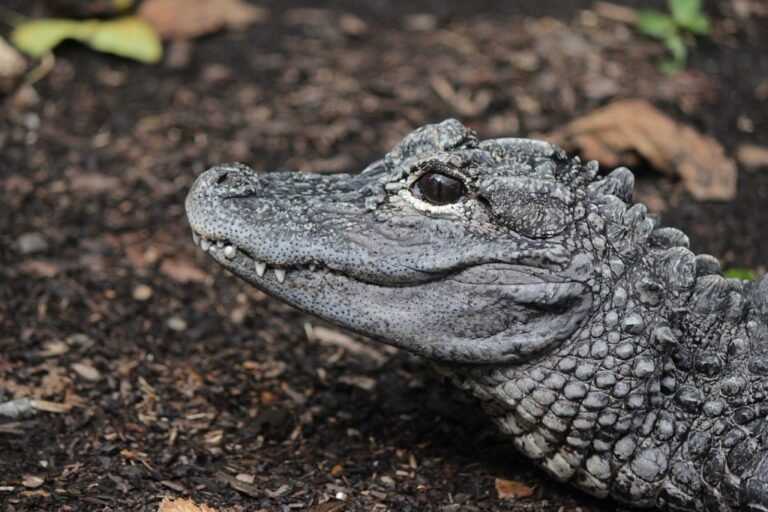
The Chinese Alligator: One of the World’s Rarest Crocodilians
When most people think of alligators, they picture the large American alligators that inhabit the swamps, marshes, and bayous of the southeastern United States. However, there is another species of alligator that is far less known but equally fascinating: the Chinese alligator (Alligator sinensis).
The Chinese alligator is one of only two living species of alligator in the world, the other being the American alligator (Alligator mississippiensis). While the American alligator thrives across millions of acres of habitat, the Chinese alligator is one of the rarest reptiles on Earth and faces an uncertain future in the wild.
What Is a Chinese Alligator?
The Chinese alligator is a small crocodilian native to eastern China. Unlike its American cousin, which can exceed 13 feet in length, most adult Chinese alligators reach only 5 to 7 feet long and weigh between 50 and 100 pounds.
Despite their smaller size, Chinese alligators possess many of the same characteristics that make alligators successful predators. They have powerful jaws, armored bodies, keen senses, and strong swimming abilities that have helped their ancestors survive for millions of years.
The scientific name Alligator sinensis translates to “Chinese alligator,” reflecting the species’ limited geographic range.
Evolution and Ancient Origins
Like the American alligator, the Chinese alligator belongs to the family Alligatoridae. Scientists believe the ancestors of modern alligators originated millions of years ago and eventually spread across parts of North America, Europe, and Asia during warmer geological periods.
As climates changed and continents shifted, alligator populations became isolated. Over time, these isolated populations evolved into distinct species.
Today, the Chinese alligator and American alligator are considered sister species, sharing a common ancestor but adapting to very different environments over millions of years.
Studying the Chinese alligator helps scientists better understand the evolution of alligators and the ancient history of crocodilians as a whole.
Habitat and Range
Historically, Chinese alligators inhabited much of the lower Yangtze River basin in eastern China. These wetlands, lakes, ponds, and slow-moving rivers provided ideal habitat for the species.
Unfortunately, rapid agricultural expansion, urban development, and habitat destruction dramatically reduced their range over the past several centuries.
Today, wild Chinese alligators survive only in small, fragmented populations within China’s Anhui Province. Their remaining habitat represents only a tiny fraction of their historical range.
Physical Characteristics
Chinese alligators share many similarities with American alligators but possess several unique features.
Smaller Size
One of the most noticeable differences is size. Chinese alligators are significantly smaller than American alligators, making them among the smallest crocodilians in the world.
Heavily Armored Bodies
Chinese alligators possess extensive bony armor known as osteoderms. These protective plates cover much of their body and provide additional defense against predators and environmental hazards.
Broad Snout
Like other alligators, they have a broad U-shaped snout that is well-suited for crushing prey such as fish, snails, crustaceans, and small mammals
Cold Weather Adaptations
Unlike many crocodilians, Chinese alligators are adapted to cooler climates. They survive winter by retreating into elaborate underground burrows where temperatures remain relatively stable.
Diet and Hunting Behavior
Chinese alligators are opportunistic predators that feed on a variety of prey.
Their diet includes:
- Fish
- Frogs
- Crustaceans
- Snails
- Insects
- Small mammals
- Water birds
Like American alligators, they are ambush predators that rely on patience and stealth. They often remain nearly motionless before launching a rapid attack when prey approaches.
Reproduction and Life Cycle
Female Chinese alligators build nests using vegetation, mud, and debris. After laying eggs, they guard the nest and protect their young from potential threats.
Like other crocodilians, the temperature of the nest can influence the sex of developing hatchlings. This process is known as temperature-dependent sex determination.
Young alligators remain vulnerable to predators during their first years of life but receive protection from their mother during the early stages of development.
Why Is the Chinese Alligator Endangered?
The Chinese alligator is classified as a critically endangered species. Several factors contributed to its decline.
Habitat Loss
Wetland destruction remains the greatest threat. Large portions of the species’ natural habitat have been converted into farmland, cities, and industrial developments.
Human Conflict
Historically, alligators were often viewed as pests and were sometimes killed when encountered near human settlements.
Small Population Size
As populations became isolated, genetic diversity declined, making long-term survival more difficult.
Conservation Efforts
Despite the challenges facing the species, conservation programs have achieved some encouraging successes.
China has established nature reserves specifically designed to protect Chinese alligator habitat. Captive breeding programs have also become highly successful, producing thousands of individuals in conservation facilities.
Researchers continue working to restore habitat and reintroduce captive-bred alligators into protected areas.
While the species remains critically endangered in the wild, conservation efforts have prevented its extinction and continue to offer hope for its future.
Chinese Alligator vs American Alligator
Although closely related, these two species differ in several important ways.
| Feature | Chinese Alligator | American Alligator |
|---|---|---|
| Scientific Name | Alligator sinensis | Alligator mississippiensis |
| Average Length | 5–7 feet | 8–13+ feet |
| Native Range | Eastern China | Southeastern United States |
| Population Status | Critically Endangered | Stable and Abundant |
| Habitat | Rivers, ponds, wetlands | Swamps, marshes, rivers |
| Climate | Temperate | Subtropical |
The comparison highlights both the similarities and differences between the world’s only two living alligator species.
What Can Chinese Alligators Teach Us?
The Chinese alligator serves as an important reminder of how quickly wildlife populations can decline when habitats disappear. At the same time, it demonstrates the value of conservation programs and scientific management.
The success of American alligator recovery efforts in the United States shows that threatened crocodilian species can rebound when provided with proper protection. Many conservationists hope the Chinese alligator can eventually experience a similar recovery.
Conclusion
The Chinese alligator is one of the rarest and most fascinating reptiles on Earth. As one of only two living alligator species, it provides valuable insight into the evolution, biology, and conservation of crocodilians.
Although its future remains uncertain, ongoing conservation efforts continue to protect this remarkable species from extinction. Whether studied in the wild, in conservation centers, or through scientific research, the Chinese alligator remains a living link to an ancient lineage that has survived for millions of years.
Frequently Asked Questions About Chinese Alligators
How many Chinese alligators are left in the wild?
Chinese alligators are critically endangered, and scientists estimate that fewer than 200 individuals remain in the wild. Most surviving wild populations are found in protected areas within Anhui Province, China.
Are Chinese alligators dangerous to humans?
Chinese alligators are generally shy and avoid human contact. Due to their relatively small size and limited interactions with people, attacks on humans are extremely rare.
What is the difference between a Chinese alligator and an American alligator?
The Chinese alligator is much smaller than the American alligator, typically reaching only 5 to 7 feet in length. Chinese alligators are native to eastern China and are critically endangered, while American alligators inhabit the southeastern United States and maintain healthy, stable populations.
Why are Chinese alligators endangered?
The primary reasons for their decline include habitat loss, wetland destruction, agricultural expansion, urban development, and historically low population numbers that reduced genetic diversity.
Where do Chinese alligators live?
Wild Chinese alligators are found primarily in eastern China’s Anhui Province. Historically, they occupied a much larger portion of the Yangtze River basin.
What do Chinese alligators eat?
Chinese alligators feed on fish, frogs, snails, crustaceans, insects, small mammals, and water birds. They are opportunistic predators that use ambush hunting techniques to capture prey.
Can Chinese alligators survive cold weather?
Yes. Unlike many crocodilian species, Chinese alligators are adapted to cooler climates. During winter, they retreat into underground burrows that help protect them from freezing temperatures.
Are Chinese alligators related to American alligators?
Yes. Chinese alligators and American alligators are closely related and belong to the same family, Alligatoridae. They share a common ancestor but evolved separately after becoming geographically isolated millions of years ago.
[…] The Chinese Alligator: Facts, Evolution, Habitat, and Conservation […]
[…] The Chinese Alligator: Facts, Evolution, Habitat, and Conservation […]
[…] The Chinese Alligator: Facts, Evolution, Habitat, and Conservation […]