The Evolution of the American Alligator: 80 Million Years of Survival

The Evolution of the American Alligator: A Living Fossil of the Swamps
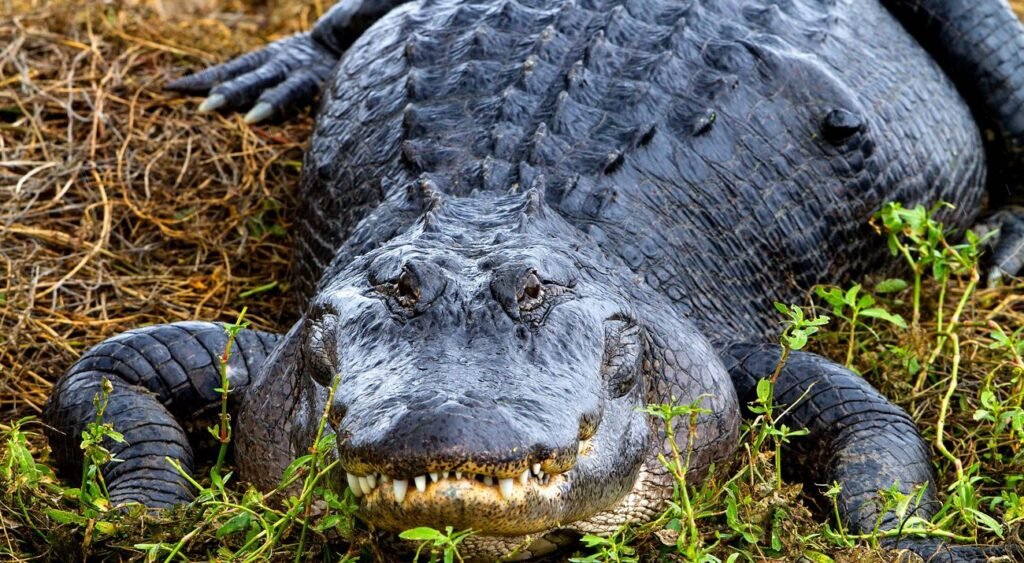
The American alligator (Alligator mississippiensis) is one of the most recognizable reptiles in North America. Found throughout the wetlands, swamps, rivers, and marshes of the southeastern United States, the alligator has become an icon of Southern wildlife. What many people do not realize is that the American alligator is also one of the closest living links to a prehistoric world that existed millions of years before humans appeared.
The evolution of the American alligator is a fascinating story that spans more than 80 million years. Through mass extinctions, climate changes, and shifting continents, the ancestors of modern alligators survived while countless other species disappeared. Today, the American alligator remains one of the most successful predators on Earth and provides scientists with a unique glimpse into the ancient past.
Ancient Origins of Crocodilians
The story of the American alligator begins during the Age of Dinosaurs. The earliest ancestors of modern crocodilians evolved more than 200 million years ago during the Late Triassic Period.
These ancient reptiles belonged to a larger group known as archosaurs, which also included dinosaurs, pterosaurs, and eventually birds. While dinosaurs diversified into countless forms, the ancestors of crocodilians evolved into powerful predators that thrived in rivers, lakes, and coastal environments.
Unlike modern alligators, many early crocodilian relatives were surprisingly diverse. Some were fully terrestrial hunters that ran on long legs, while others became highly specialized aquatic predators.
One of the earliest crocodilian ancestors was Postosuchus, a large archosaur that lived approximately 220 million years ago. Although not a true crocodilian, it belonged to the same broader lineage that eventually gave rise to modern crocodiles and alligators. Later species such as Protosuchus and Orthosuchus displayed more crocodilian characteristics and represent some of the earliest members of the crocodile line.
Surviving the Extinction of the Dinosaurs
Approximately 66 million years ago, a massive asteroid impact triggered one of the largest extinction events in Earth’s history. This catastrophe wiped out the non-avian dinosaurs and many other groups of animals.
Remarkably, crocodilian ancestors survived.
Scientists believe their semi-aquatic lifestyle played a major role in their survival. Rivers, swamps, and wetlands provided stable environments where food remained available even as ecosystems collapsed worldwide. Their ability to survive on limited food for extended periods also helped them endure harsh conditions.
As dinosaurs vanished, crocodilians continued evolving and adapting to changing environments.
The Emergence of True Alligators
The family that includes modern alligators, known as Alligatoridae, appeared tens of millions of years ago. Fossil evidence suggests that early alligator relatives spread throughout North America and parts of Europe during warmer geological periods.
Several extinct species help illustrate the evolutionary path toward modern alligators. Fossils of Leidyosuchus, which lived during the Late Cretaceous, show characteristics shared with later alligatorids. Another important genus, Deinosuchus, was a gigantic alligatoroid that lived alongside dinosaurs and may have exceeded 30 feet in length. While not a direct ancestor of the American alligator, it was a close relative within the broader alligator lineage.
Over time, these ancient reptiles evolved characteristics that distinguish alligators from crocodiles, including:
- Broader U-shaped snouts
- Strong crushing bite force
- Different tooth alignment
- Greater tolerance for cooler temperatures
- Preference for freshwater habitats
These adaptations allowed alligators to occupy ecological niches that differed from those of their crocodile relatives.
The Evolution of the American Alligator
The American alligator evolved from ancient alligator ancestors that inhabited North America for millions of years. Fossil records show that prehistoric alligator species once ranged across much of the continent.
One of the most important ancestors was Alligator prenasalis, an extinct species that lived during the Eocene Epoch approximately 50 million years ago. Another significant species was Alligator olseni, which lived later and shares many anatomical similarities with modern alligators. These extinct species demonstrate the gradual evolution of the genus Alligator in North America.
The closest living relative of the American alligator today is the Chinese alligator (Alligator sinensis), suggesting that ancient alligator ancestors once had a much broader distribution across the Northern Hemisphere.
As climates changed and ice ages came and went, populations became concentrated in the warmer southeastern United States. The modern American alligator eventually emerged as a highly specialized predator adapted to wetlands, swamps, rivers, and marshes.
Today, the American alligator’s range extends from eastern Texas to North Carolina, with Louisiana supporting some of the largest populations in the world.
Why Alligators Have Changed So Little
Many people refer to alligators as “living fossils.” While the term is not scientifically precise, it reflects an important truth: the overall body design of alligators has remained remarkably successful for millions of years.
Features that have remained effective include:
- Powerful jaws
- Armored skin
- Efficient swimming ability
- Ambush hunting strategies
- Excellent sensory organs
When an animal’s design works exceptionally well, there is often little evolutionary pressure for dramatic changes. As a result, modern alligators still resemble many of their ancient ancestors.
Adaptations That Made Alligators Successful
The American alligator possesses numerous adaptations that have helped it survive for millions of years.
Incredible Bite Force
The alligator has one of the strongest bite forces in the animal kingdom. Its powerful jaws allow it to capture fish, turtles, birds, mammals, and other prey with ease. Scientific studies have measured the bite force of large American alligators at approximately 2,125 pounds per square inch (psi), making their bite stronger than that of lions, tigers, and most other terrestrial predators. This immense crushing power is especially useful for breaking through the shells of turtles and gripping struggling prey.
Advanced Sensory Systems
Small sensory organs located around the jaws can detect vibrations in the water, helping alligators locate prey even in darkness or murky conditions.
Efficient Metabolism
Alligators can survive long periods without food, an adaptation that likely contributed to their ancestors’ survival during environmental disasters.
Protective Armor
Bony plates known as osteoderms are embedded within the skin, providing protection from predators and rivals.
American Alligators and Louisiana
Few places showcase the success of alligator evolution better than Louisiana. The state’s extensive wetlands provide ideal habitat for these ancient reptiles.
Louisiana’s swamps, bayous, and marshes support nearly two million alligators, making it one of the most important regions for the species. The state’s conservation programs and alligator farming industry have helped transform the American alligator into one of the greatest wildlife management success stories in North America.
For wildlife enthusiasts and collectors, studying alligator skulls offers a unique opportunity to examine the evolutionary adaptations that have allowed these predators to thrive for millions of years.
What Can an Alligator Skull Tell Us About Evolution?
An alligator skull reveals many clues about the species’ evolutionary history.
Key features include:
- Long, powerful jaws designed for gripping prey
- Numerous replaceable teeth
- Large muscle attachment points for bite strength
- Sensory openings that aid in detecting movement
The skull’s robust structure is directly responsible for the alligator’s tremendous bite force of over 2,000 psi, allowing it to subdue prey and crush hard-shelled animals with remarkable efficiency.
These adaptations have remained highly effective throughout millions of years of evolution and help explain why alligators continue to dominate wetland ecosystems today.
The Future of the American Alligator
Despite surviving mass extinctions and millions of years of environmental change, modern alligators face new challenges. Habitat loss, coastal erosion, pollution, and climate change continue to affect wetland ecosystems throughout the southeastern United States.
Fortunately, conservation efforts have helped maintain healthy populations. The American alligator remains one of the most successful examples of wildlife recovery and sustainable management in the world.
Conclusion
The evolution of the American alligator is a remarkable story of adaptation, survival, and resilience. Descended from ancient crocodilian ancestors such as Protosuchus, Leidyosuchus, and early species of Alligator, the American alligator has survived some of Earth’s most dramatic changes while retaining many of the characteristics that made its ancestors successful.
Today, these incredible reptiles continue to thrive in the wetlands of the American South, particularly in Louisiana. Their powerful jaws, capable of generating more than 2,100 psi of bite force, armored bodies, and highly specialized hunting abilities serve as living reminders of a prehistoric world that still exists today.
Whether encountered in the wild, studied through fossil evidence, or examined through an authentic alligator skull, the American alligator remains one of nature’s most impressive examples of evolutionary success.
Frequently Asked Questions About American Alligator Evolution
How old is the American alligator species?
The modern American alligator evolved over millions of years from ancient alligator ancestors. While the exact age of the species is debated, the alligator lineage itself stretches back more than 80 million years, and crocodilian ancestors date back over 200 million years.
Did alligators live with dinosaurs?
Yes. Ancient relatives of modern alligators lived alongside dinosaurs during the Mesozoic Era. Large alligatoroid relatives such as Deinosuchus inhabited North America during the Late Cretaceous and may have even preyed upon dinosaurs.
What is the closest living relative of the American alligator?
The closest living relative of the American alligator is the Chinese alligator (Alligator sinensis). Genetic evidence suggests both species descended from a common ancestor that once had a much wider distribution across the Northern Hemisphere.
Why are alligators called living fossils?
Alligators are often called living fossils because their overall body design has changed relatively little over millions of years. Their powerful jaws, armored skin, and ambush-hunting lifestyle have remained highly effective, reducing the need for major evolutionary changes.
How strong is an American alligator’s bite?
Large American alligators can generate a bite force of approximately 2,125 psi, making it one of the strongest bites measured among living animals. This powerful bite allows them to crush turtle shells and securely hold struggling prey.
What did ancient alligators look like?
Many ancient alligator relatives looked similar to modern alligators, though some species were much larger. For example, Deinosuchus may have exceeded 30 feet in length, making it one of the largest crocodilian relatives ever discovered.
How did alligators survive the dinosaur extinction?
Scientists believe crocodilian ancestors survived the mass extinction 66 million years ago because of their semi-aquatic lifestyle, slow metabolism, and ability to survive long periods with limited food. Wetland habitats likely provided refuge during the environmental upheaval.
Where do American alligators live today?
American alligators are found throughout the southeastern United States, including Texas, Louisiana, Mississippi, Alabama, Florida, Georgia, South Carolina, and parts of North Carolina. Louisiana contains some of the largest alligator populations in the world.
[…] The Evolution of the American Alligator: 80 Million Years of Survival […]
[…] The Evolution of the American Alligator: 80 Million Years of Survival […]
[…] The Evolution of the American Alligator: 80 Million Years of Survival […]
[…] The Evolution of the American Alligator: 80 Million Years of Survival […]
[…] The Evolution of the American Alligator: 80 Million Years of Survival […]