
The Nile Crocodile: Facts, Size, Habitat, Evolution, and Anatomy

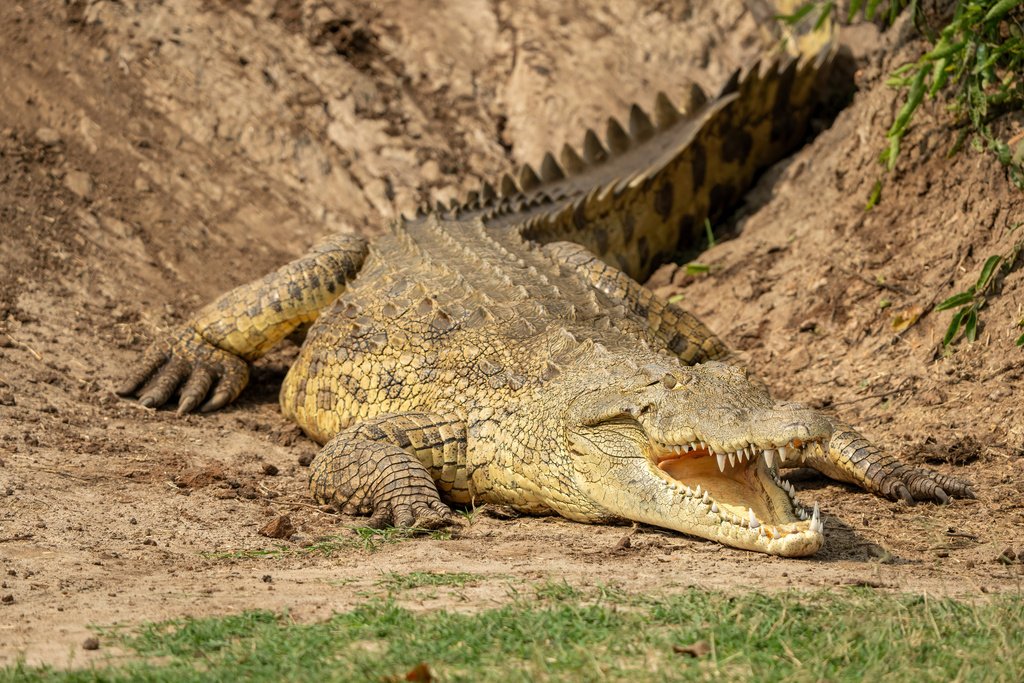
The Nile Crocodile: Africa’s Ancient Apex Predator
The Nile Crocodile (Crocodylus niloticus) is one of the largest, most powerful, and most recognizable crocodilians on Earth. Found throughout much of Africa, this massive reptile has dominated rivers, lakes, marshes, and wetlands for millions of years. With its immense size, powerful bite, and remarkable adaptability, the Nile Crocodile has earned a reputation as one of the world’s ultimate apex predators.
As one of the largest crocodilian species alive today, the Nile Crocodile plays a critical role in African ecosystems and provides scientists with valuable insights into crocodilian evolution, anatomy, and survival.
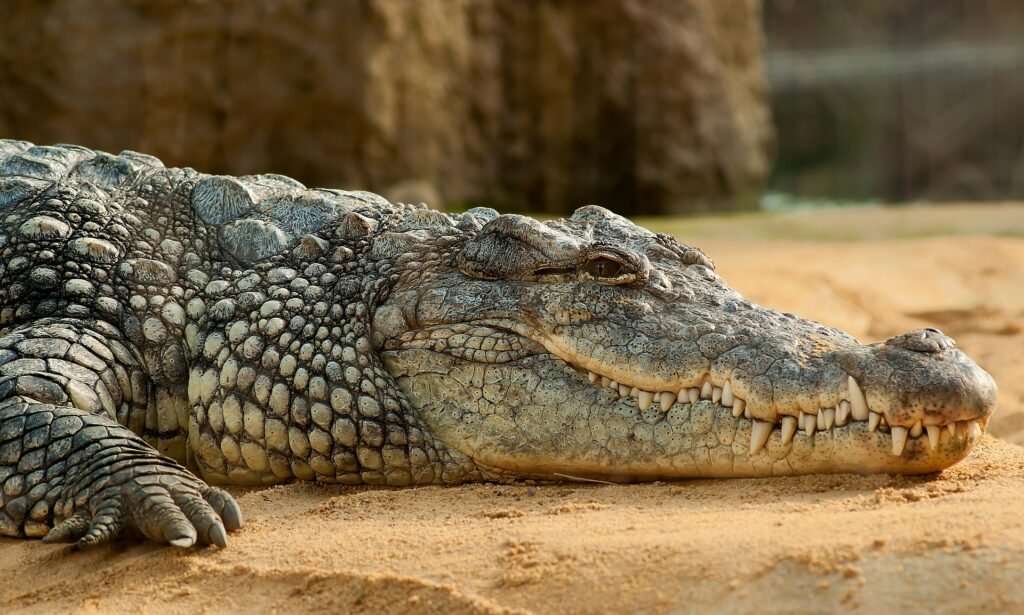
What Is a Nile Crocodile?
The Nile Crocodile belongs to the crocodile family, Crocodylidae, and is one of the most widespread crocodilian species in Africa.
Its scientific name, Crocodylus niloticus, reflects its historical association with the Nile River, although the species inhabits a vast range extending far beyond Egypt.
Today, Nile Crocodiles can be found throughout much of sub-Saharan Africa, including:
- Egypt
- Sudan
- Ethiopia
- Kenya
- Tanzania
- Uganda
- Zambia
- Zimbabwe
- Botswana
- South Africa
- Mozambique
- Madagascar
Their ability to thrive in numerous freshwater environments has made them one of the most successful crocodilian species in the world.
The Size of a Nile Crocodile
Nile Crocodiles are among the largest reptiles alive today.
Adult males commonly reach:
- 10 to 16 feet in length
- 500 to 1,500 pounds in weight
Exceptional specimens have been recorded at lengths exceeding 18 feet and weights approaching 2,000 pounds.
Females are typically smaller but remain formidable predators.
Their enormous size places them among the largest crocodilians on Earth, rivaled only by the Saltwater Crocodile and a few exceptionally large crocodile species.
Physical Characteristics
Powerful Jaws
The Nile Crocodile possesses one of the strongest bite forces in the animal kingdom.
Its jaws are designed for gripping, crushing, and holding prey rather than chewing. Once prey is captured, the crocodile uses powerful body movements to tear food into manageable pieces.
Armored Skin
Like other crocodilians, Nile Crocodiles possess protective osteoderms—bony plates embedded beneath the skin. These structures provide protection while helping regulate body temperature.
Excellent Camouflage
Their olive-green, brown, and gray coloration allows them to blend into muddy riverbanks and aquatic vegetation, making them highly effective ambush predators.
Habitat and Distribution
The Nile Crocodile occupies a wide variety of freshwater habitats.
Common environments include:
- Rivers
- Lakes
- Wetlands
- Marshes
- Swamps
- Floodplains
Some populations can even tolerate brackish water for short periods.
Their adaptability has helped them survive environmental changes that eliminated many other large predators throughout history.
Diet and Hunting Behavior
The Nile Crocodile is an opportunistic carnivore capable of consuming a wide variety of prey.
Its diet may include:
- Fish
- Birds
- Turtles
- Antelope
- Zebras
- Wildebeest
- Monkeys
- Smaller crocodiles
Young crocodiles feed primarily on insects, amphibians, and small fish before gradually targeting larger prey as they grow.
Like all crocodilians, Nile Crocodiles are ambush predators. They often remain nearly invisible beneath the water’s surface before launching explosive attacks on unsuspecting animals.
Nile Crocodile vs American Alligator
Although both species are large crocodilians, important differences separate them.
| Feature | Nile Crocodile | American Alligator |
|---|---|---|
| Scientific Name | Crocodylus niloticus | Alligator mississippiensis |
| Native Range | Africa | Southeastern United States |
| Average Length | 10–16 feet | 8–13 feet |
| Maximum Length | 18+ feet | 15 feet |
| Snout Shape | Narrow V-shape | Broad U-shape |
| Family | Crocodylidae | Alligatoridae |
One of the easiest ways to distinguish the two species is by examining the skull. Nile Crocodiles possess longer, narrower snouts designed for capturing a wider variety of prey, while alligators have broader snouts adapted for crushing turtles and other hard-shelled animals.
Evolution and Ancient Origins
The ancestors of modern crocodiles evolved more than 200 million years ago during the Triassic Period.
Like alligators, caimans, and gharials, Nile Crocodiles descend from ancient archosaurs—the same group that gave rise to dinosaurs and modern birds.
Many characteristics that make Nile Crocodiles successful today have remained largely unchanged for millions of years, including:
- Powerful jaws
- Armored skin
- Ambush hunting behavior
- Exceptional swimming ability
These traits have helped crocodilians survive multiple mass extinction events while many other reptile groups disappeared.
Reproduction and Life Cycle
Female Nile Crocodiles construct nests along riverbanks and sandy shorelines.
A typical clutch contains:
- 25 to 80 eggs
- Incubation periods of approximately 80 to 90 days
- Temperature-dependent sex determination
After hatching, mothers often assist young crocodiles by carrying them to water and providing protection during their earliest months.
This level of parental care is relatively advanced compared to many reptile species.
Conservation Status
Although Nile Crocodiles were heavily hunted during the 20th century for their valuable skins, conservation efforts have helped many populations recover.
Today, the species remains widespread throughout much of Africa.
However, some populations continue to face challenges from:
- Habitat loss
- Pollution
- Illegal hunting
- Human-wildlife conflict
Effective wildlife management remains important for maintaining healthy populations.
What Can Nile Crocodile Skulls Teach Us?
Nile Crocodile skulls are among the most impressive crocodilian skulls in the world.
Their skulls reveal several evolutionary adaptations:
- Long, narrow snouts
- Powerful jaw muscle attachment points
- Large conical teeth
- Reinforced cranial structures
When compared to American alligator skulls, Nile Crocodile skulls display a more streamlined shape that reflects differences in feeding ecology and prey selection.
Collectors and wildlife enthusiasts often appreciate these skulls for their size, anatomy, and historical significance.
Why the Nile Crocodile Matters
As one of Africa’s top predators, the Nile Crocodile helps maintain ecological balance throughout many freshwater ecosystems.
By regulating populations of fish, mammals, and other animals, crocodiles contribute to healthy aquatic environments.
Their continued survival also provides valuable opportunities for scientific research, wildlife tourism, and conservation education.
Conclusion
The Nile Crocodile is one of the most successful predators in Earth’s history. With a lineage stretching back millions of years, it remains a living reminder of the ancient reptiles that once dominated the planet.
Its immense size, powerful bite, remarkable adaptability, and important ecological role make it one of the most fascinating crocodilians alive today.
Whether studied through its behavior, evolution, or skull anatomy, the Nile Crocodile continues to captivate scientists, wildlife enthusiasts, and collectors around the world.
Frequently Asked Questions About Nile Crocodiles
How large can a Nile Crocodile get?
Large males commonly reach 10 to 16 feet in length, while exceptional individuals may exceed 18 feet and weigh over 1,500 pounds.
Where do Nile Crocodiles live?
They inhabit rivers, lakes, marshes, wetlands, and floodplains throughout much of Africa.
Are Nile Crocodiles larger than American alligators?
In general, Nile Crocodiles grow larger than American alligators and are among the largest crocodilian species in the world.
What do Nile Crocodiles eat?
Their diet includes fish, birds, reptiles, mammals, and a wide variety of aquatic and terrestrial animals.
How long have Nile Crocodiles existed?
Modern crocodilians evolved from ancestors that lived more than 200 million years ago, making them one of the oldest surviving reptile lineages.
How can you tell a Nile Crocodile skull from an alligator skull?
Nile Crocodile skulls are typically longer and narrower, while alligator skulls have broader U-shaped snouts.