
The Black Caiman: Facts, Size, Habitat, and Evolution

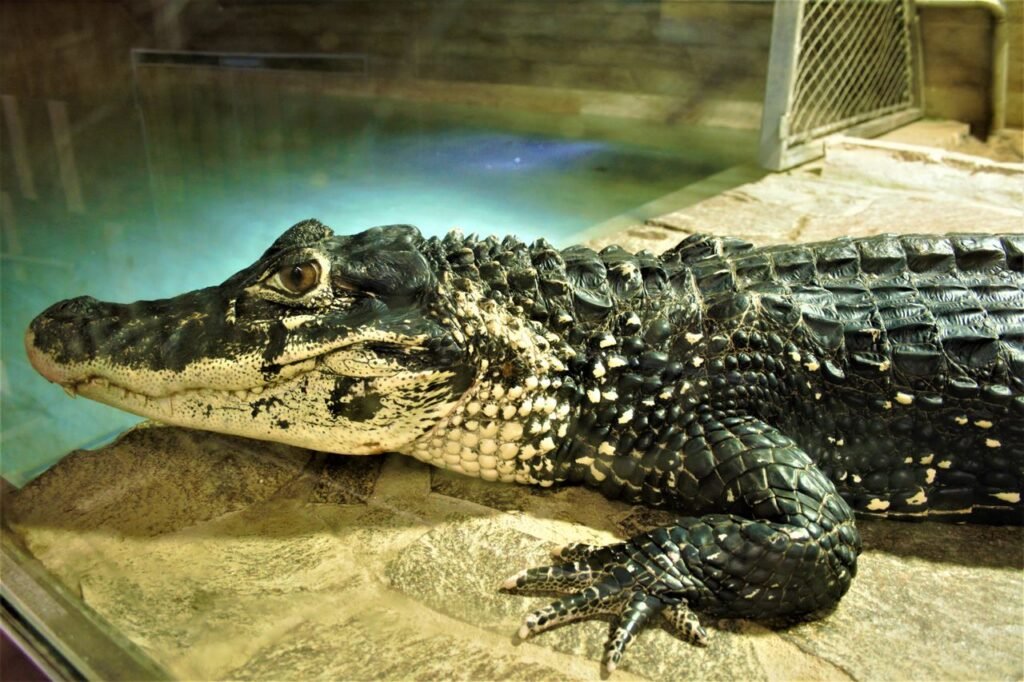
The Black Caiman: The Largest Predator of the Amazon
The Black Caiman (Melanosuchus niger) is one of the most impressive and powerful crocodilians on Earth. Native to the rivers, lakes, and flooded forests of South America, this massive reptile is the largest predator in the Amazon Basin and one of the largest members of the crocodilian family.
Often compared to the American alligator and Nile crocodile, the Black Caiman has earned a reputation as one of the most formidable apex predators in the world. With its immense size, powerful jaws, and ancient lineage, the Black Caiman represents a fascinating example of crocodilian evolution and survival.
What Is a Black Caiman?
The Black Caiman is a large crocodilian belonging to the family Alligatoridae, making it a distant relative of the American alligator and the Chinese alligator.
Its scientific name, Melanosuchus niger, translates roughly to “black crocodile,” referring to its dark coloration. Despite being called a caiman, the Black Caiman is closely related to alligators and shares many anatomical characteristics with its North American cousins.
The species is found throughout much of the Amazon River Basin, including:
- Brazil
- Peru
- Bolivia
- Colombia
- Ecuador
- Guyana
- French Guiana
- Venezuela
The Largest Caiman Species in the World
Among all living caiman species, the Black Caiman is by far the largest.
Adult males commonly reach:
- 10 to 16 feet in length
- 500 to 1,000 pounds in weight
Exceptional specimens may exceed 16 feet and weigh well over 1,000 pounds.
These impressive dimensions place the Black Caiman among the largest crocodilians on Earth, rivaled only by species such as the Saltwater Crocodile and Nile Crocodile.
Physical Characteristics
The Black Caiman possesses several unique features that distinguish it from other crocodilians.
Dark Coloration
Its most recognizable trait is its dark gray to nearly black skin coloration. This dark pigmentation helps camouflage the animal in the shadowy waters of the Amazon.
Massive Skull
The Black Caiman has a broad, powerful skull equipped with dozens of sharp teeth designed for capturing and holding prey.
Its skull structure allows it to exert tremendous bite force while maintaining a strong grip on struggling animals.
Armored Body
Like other crocodilians, the Black Caiman possesses protective bony plates called osteoderms embedded beneath its skin.
These natural armor plates help defend the animal from injuries during territorial disputes and hunting encounters.
Habitat and Distribution
Black Caimans inhabit a variety of freshwater environments throughout South America.
Common habitats include:
- Amazon rivers
- Oxbow lakes
- Flooded forests
- Wetlands
- Marshes
- Slow-moving tributaries
Unlike many crocodilian species, Black Caimans thrive in ecosystems that experience dramatic seasonal flooding.
During the rainy season, they often move into flooded forests where prey becomes abundant.
Diet and Hunting Behavior
The Black Caiman is an apex predator that occupies the top of the Amazon food chain.
Its diet includes:
- Fish
- Birds
- Turtles
- Capybaras
- Deer
- Monkeys
- Large rodents
- Other reptiles
Large individuals have even been documented preying on jaguars, an indication of their incredible power and dominance.
Like alligators, Black Caimans are ambush predators. They remain nearly motionless beneath the water’s surface before launching explosive attacks on unsuspecting prey.
Black Caiman vs American Alligator
Although both belong to the Alligatoridae family, several differences separate these species.
| Feature | Black Caiman | American Alligator |
|---|---|---|
| Scientific Name | Melanosuchus niger | Alligator mississippiensis |
| Native Range | South America | Southeastern United States |
| Average Length | 10–16 feet | 8–13 feet |
| Maximum Weight | 1,000+ pounds | 800+ pounds |
| Habitat | Amazon Basin | Swamps and wetlands |
| Conservation Status | Recovering | Stable |
While both species are powerful predators, the Black Caiman generally reaches larger sizes and occupies a more diverse tropical ecosystem.
Evolution and Ancient Origins
The Black Caiman belongs to a group of reptiles whose ancestors have existed for more than 200 million years.
Like alligators and crocodiles, modern caimans evolved from ancient archosaurs that lived alongside dinosaurs.
Many of the features seen in today’s Black Caiman—including its armored skin, powerful jaws, and ambush-hunting behavior—have remained effective for millions of years.
Because of this, crocodilians are often considered some of the closest living relatives to the prehistoric reptiles that once dominated the Earth.
Conservation History
The Black Caiman faced severe population declines during the 20th century.
Demand for crocodilian leather led to widespread hunting throughout South America, dramatically reducing populations in many regions.
By the 1970s, Black Caiman numbers had fallen significantly.
Fortunately, conservation programs and legal protections helped the species recover.
Today, many Black Caiman populations are stable or increasing throughout parts of their range, making them one of South America’s notable conservation success stories.
What Can Black Caiman Skulls Teach Us?
Black Caiman skulls provide valuable insight into the evolution and biology of large crocodilians.
Their skulls feature:
- Powerful jaw muscle attachment points
- Numerous conical teeth
- Reinforced bone structures
- Sensory openings for detecting movement
Studying these skulls helps scientists understand how crocodilians evolved into some of the most successful predators on the planet.
Collectors and wildlife enthusiasts are often fascinated by the similarities and differences between Black Caiman skulls and those of American alligators.
Why the Black Caiman Matters
The Black Caiman plays a critical role in maintaining ecological balance throughout the Amazon Basin.
As an apex predator, it helps regulate populations of fish, mammals, and other aquatic animals.
Healthy Black Caiman populations are often indicators of healthy wetland ecosystems, making the species important not only for biodiversity but also for conservation efforts throughout South America.
Conclusion
The Black Caiman is one of the most remarkable crocodilians alive today. As the largest predator in the Amazon and the largest caiman species on Earth, it represents millions of years of successful evolution and adaptation.
From its immense size and powerful bite to its important role in Amazon ecosystems, the Black Caiman continues to captivate scientists, wildlife enthusiasts, and reptile collectors around the world.
Whether viewed as an apex predator, a conservation success story, or a living link to the prehistoric past, the Black Caiman remains one of nature’s most extraordinary reptiles.
Frequently Asked Questions About Black Caimans
How large can a Black Caiman get?
Large males commonly reach 10 to 16 feet in length, while exceptional individuals may exceed 16 feet and weigh more than 1,000 pounds.
Is the Black Caiman larger than an American alligator?
Yes. Black Caimans generally grow larger than American alligators and are considered the largest caiman species in the world.
Where do Black Caimans live?
Black Caimans inhabit the Amazon Basin throughout several South American countries, including Brazil, Peru, Bolivia, Colombia, and Ecuador.
What do Black Caimans eat?
Their diet includes fish, turtles, birds, capybaras, deer, monkeys, and other animals found within Amazon ecosystems.
Are Black Caimans endangered?
Black Caiman populations declined significantly during the 20th century due to hunting, but conservation efforts have helped many populations recover.
Are Black Caimans related to alligators?
Yes. Black Caimans belong to the same family, Alligatoridae, making them distant relatives of the American and Chinese alligator.
[…] The Black Caiman: Facts, Size, Habitat, and Evolution […]