The History of Alligators in Louisiana: From Ancient Predators to Conservation Success

The History of Alligators in Louisiana
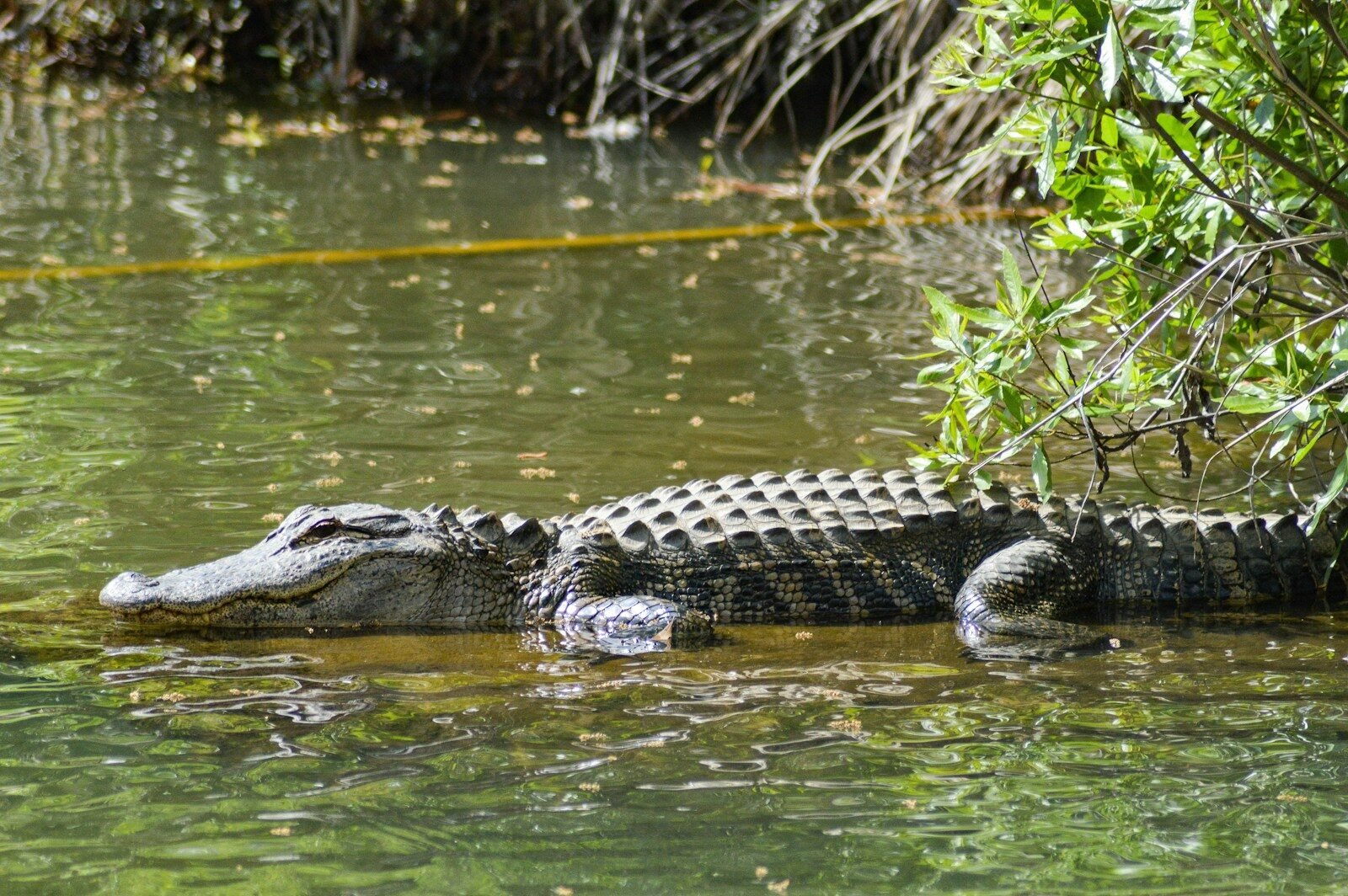
Few animals are as closely associated with Louisiana as the American alligator (Alligator mississippiensis). From the bayous and swamps of Acadiana to the marshes of coastal Louisiana, alligators have played a significant role in the state’s natural history, culture, economy, and ecosystem for thousands of years. Today, Louisiana is home to one of the healthiest alligator populations in the world, but the road to conservation success was not always easy.
Ancient Origins of Louisiana’s Alligators
The ancestors of modern alligators first appeared more than 80 million years ago during the Late Cretaceous Period. While dinosaurs dominated the land, ancient crocodilians thrived in rivers, lakes, and coastal wetlands across North America.
The American alligator eventually evolved into the species we recognize today and became well-adapted to the warm, wet environments of the southeastern United States. Louisiana’s extensive wetlands, marshes, swamps, and bayous provided the perfect habitat for these large reptiles to flourish.
Long before European settlers arrived, alligators were already an important part of Louisiana’s ecosystems, helping maintain balance among fish, birds, mammals, and other aquatic species.
Where Did the Word “Alligator” Come From?
The word “alligator” has a fascinating history that dates back to the earliest European exploration of the Americas. When Spanish explorers arrived in the southeastern United States and encountered these large reptiles, they referred to them as “el lagarto,” which translates to “the lizard” in Spanish.
Over time, English-speaking settlers adopted and modified the phrase. Through centuries of pronunciation changes and linguistic evolution, “el lagarto” gradually transformed into the English word “alligator.” By the late 16th and early 17th centuries, variations of the word began appearing in English writings describing the large reptiles found throughout the American South.
The scientific name of the American alligator, Alligator mississippiensis, was later established by zoologists. The species name “mississippiensis” means “from the Mississippi River,” referring to the region where the animal was commonly found.
Today, the word “alligator” is recognized worldwide and has become synonymous with the swamps, marshes, and wetlands of the southeastern United States. In Louisiana, the alligator is more than just a reptile—it is a symbol of the state’s unique culture, wildlife, and natural heritage.
Interestingly, while “alligator” originated from the Spanish phrase for “the lizard,” modern alligators are much more closely related to crocodiles than they are to true lizards. Their lineage dates back millions of years and represents one of the oldest surviving groups of reptiles on Earth.
Alligators and Native American Cultures
For thousands of years, Native American tribes living throughout present-day Louisiana interacted with alligators. Tribes such as the Chitimacha, Houma, and Atakapa respected the alligator as a powerful animal that symbolized strength, survival, and adaptability.
Native peoples utilized alligators for food, tools, and ceremonial purposes. Bones and teeth were often crafted into tools and ornaments, while hides provided durable materials for various uses. Many tribal stories and legends featured alligators as important characters that reflected the animal’s significance within local cultures.
European Settlement and Early Hunting
When French explorers and settlers arrived in Louisiana during the 17th and 18th centuries, they encountered abundant alligator populations throughout the region. Early accounts described waterways filled with large reptiles, some reaching lengths of over 12 feet.
As settlements expanded, alligators were often viewed as both a resource and a nuisance. Hunters harvested them for meat and hides, while farmers sometimes killed them to protect livestock. Despite these pressures, Louisiana’s vast wetlands allowed alligator populations to remain relatively stable for many years.
By the late 1800s and early 1900s, however, commercial demand for alligator leather began to increase dramatically.
The Rise of the Alligator Leather Industry
During the early 20th century, alligator leather became highly desirable for luxury products such as handbags, belts, wallets, shoes, and luggage. Louisiana quickly became one of the leading suppliers of alligator hides in the United States.
Unfortunately, hunting regulations were minimal, and large numbers of alligators were harvested annually. Market hunters often targeted the largest breeding adults, causing population declines throughout much of the alligator’s range.
By the 1950s and early 1960s, alligator numbers had fallen significantly across Louisiana and other southeastern states. Habitat loss from wetland drainage and development further accelerated the decline.
Conservation Efforts and Federal Protection
Recognizing the growing threat to alligator populations, wildlife agencies began implementing stricter regulations. In 1962, Louisiana officially closed alligator hunting statewide in an effort to protect the species.
The situation became even more serious when the American alligator was listed as an endangered species in 1967 under federal protection. This designation helped prevent further exploitation while allowing populations time to recover.
Wildlife biologists, conservationists, and state agencies worked together to monitor nesting sites, protect critical habitats, and study alligator populations throughout Louisiana’s wetlands.
The Development of Alligator Farming
One of the most important factors in Louisiana’s alligator conservation success story was the development of the state’s alligator farming industry. During the 1970s and 1980s, wildlife managers and private landowners began working together to create a sustainable system that would benefit both conservation efforts and local economies.
Louisiana’s alligator farming program operates under a unique ranching model. Licensed farmers collect a portion of eggs from wild alligator nests under strict state regulations. The eggs are incubated and hatched on farms, where young alligators are raised in controlled environments. In return, farmers are required to release a percentage of the hatchlings back into the wild, helping maintain and strengthen natural populations.
This innovative approach created economic incentives for landowners to protect wetlands and alligator habitat rather than destroy them. As a result, alligator farming became a valuable conservation tool while also supplying the demand for alligator leather and meat.
Today, Louisiana leads the nation in alligator farming, producing hundreds of thousands of alligators annually. The industry supports jobs, generates millions of dollars in revenue, and serves as a model for sustainable wildlife management around the world.
A Remarkable Recovery
The conservation efforts proved highly successful. As habitats were protected and hunting restrictions remained in place, alligator populations began to rebound.
By the 1970s and 1980s, Louisiana’s alligator numbers had recovered enough to support carefully regulated harvest programs. The state developed one of the most successful wildlife management systems in the world, balancing conservation with sustainable use.
Today, Louisiana is estimated to contain nearly two million alligators, making it one of the most important strongholds for the species anywhere on Earth.
The state’s regulated wild harvest and alligator farming programs generate millions of dollars annually while ensuring healthy populations for future generations.
Alligators in Modern Louisiana
Today, alligators are more than just wildlife—they are a symbol of Louisiana itself. They appear in tourism campaigns, local businesses, sports mascots, artwork, and cultural traditions throughout the state.
Visitors travel from around the world to experience Louisiana’s swamps and observe alligators in their natural habitat. Swamp tours, wildlife photography, and outdoor recreation contribute significantly to local economies.
The alligator farming industry also remains an important part of Louisiana’s economy. Farms throughout the state produce hides, meat, skulls, and other products while operating under strict regulations designed to support long-term conservation goals.
At the same time, wildlife managers continue monitoring populations to ensure that alligator numbers remain healthy and sustainable.
Why Alligators Matter
Alligators play a critical role in maintaining healthy wetland ecosystems. As apex predators, they help regulate prey populations and contribute to ecological balance.
Their nesting activities create habitat for other wildlife, while “alligator holes”—depressions excavated during dry periods—provide water sources for fish, birds, turtles, and amphibians.
Without alligators, Louisiana’s wetlands would look very different.
Conclusion
The history of alligators in Louisiana is a story of survival, decline, and remarkable recovery. From their ancient origins and importance to Native American cultures to their near-extinction and eventual conservation success, alligators have remained a defining part of Louisiana’s landscape.
Today, these prehistoric reptiles continue to thrive in the state’s swamps, marshes, and bayous thanks to decades of responsible wildlife management. Their recovery stands as one of America’s greatest conservation success stories and serves as a reminder of the importance of protecting both wildlife and the habitats they call home.
Whether you’re a hunter, collector, wildlife enthusiast, or simply fascinated by these incredible reptiles, understanding the history of Louisiana’s alligators offers a deeper appreciation for one of the state’s most iconic animals.
Frequently Asked Questions About Louisiana Alligators
How many alligators live in Louisiana?
Louisiana is home to one of the largest alligator populations in the world, with an estimated population of nearly two million American alligators. The state’s extensive network of swamps, marshes, bayous, and wetlands provides ideal habitat for these reptiles.
Why does Louisiana have so many alligators?
Louisiana’s warm climate, abundant freshwater habitats, and vast coastal wetlands create perfect conditions for alligators to thrive. The state contains millions of acres of wetlands that support healthy alligator populations throughout much of southern Louisiana.
Where did the word “alligator” come from?
The word “alligator” originated from the Spanish phrase “el lagarto,” meaning “the lizard.” Early Spanish explorers used the term when describing the large reptiles they encountered in the southeastern United States. Over time, English speakers adapted the phrase into the modern word “alligator.”
When was alligator hunting banned in Louisiana?
Louisiana closed alligator hunting statewide in 1962 after wildlife officials became concerned about declining populations caused by overharvesting and habitat loss. The hunting ban helped the species recover and paved the way for modern conservation programs.
Were alligators ever endangered?
Yes. The American alligator was listed as an endangered species in 1967 due to population declines throughout much of its range. Conservation efforts, habitat protection, and strict regulations helped the species recover, making it one of the greatest wildlife conservation success stories in North America.
What is Louisiana’s alligator farming program?
Louisiana operates a unique alligator ranching program in which licensed farmers collect eggs from wild nests under state supervision. A percentage of the hatchlings raised on farms must be released back into the wild, helping support healthy alligator populations while providing economic benefits to local communities.
What role do alligators play in Louisiana’s ecosystem?
Alligators are apex predators that help maintain ecological balance in wetlands. They control populations of fish, turtles, birds, and mammals while creating “alligator holes” that provide important water sources for other wildlife during dry periods.
How large do Louisiana alligators get?
Most adult male alligators in Louisiana measure between 10 and 13 feet long, while females are typically smaller. Exceptional males can exceed 14 feet in length and weigh more than 800 pounds.
Are alligators important to Louisiana’s economy?
Yes. Alligators contribute significantly to Louisiana’s economy through tourism, regulated hunting, alligator farming, leather production, meat processing, wildlife viewing, and outdoor recreation industries.
Why are alligators considered a conservation success story?
Through a combination of habitat protection, regulated harvest programs, scientific management, and sustainable alligator farming, Louisiana transformed the American alligator from a threatened species into a thriving wildlife population. Today, the species serves as a model for successful wildlife conservation and management around the world.
[…] The History of Alligators in Louisiana: From Ancient Predators to Conservation Success […]
[…] The History of Alligators in Louisiana: From Ancient Predators to Conservation Success […]
[…] The History of Alligators in Louisiana: From Ancient Predators to Conservation Success […]
[…] The History of Alligators in Louisiana: From Ancient Predators to Conservation Success […]