
The Spectacled Caiman: Facts, Habitat, Evolution, and Size

The Spectacled Caiman: South America’s Most Widespread Crocodilian
The Spectacled Caiman (Caiman crocodilus) is one of the most successful and widely distributed crocodilians in the world. Found throughout Central and South America, this adaptable reptile inhabits rivers, lakes, marshes, swamps, and flooded forests across a vast geographic range.
Although it is smaller than the American alligator and the Black Caiman, the Spectacled Caiman remains one of the most fascinating members of the crocodilian family. Its unique appearance, impressive adaptability, and important role in wetland ecosystems have made it one of the most studied crocodilians on Earth.
What Is a Spectacled Caiman?
The Spectacled Caiman is a medium-sized crocodilian belonging to the family Alligatoridae, making it a close relative of the American alligator, Chinese alligator, and Black Caiman.
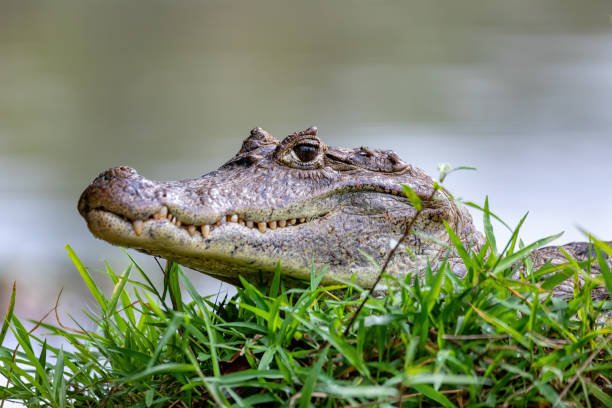
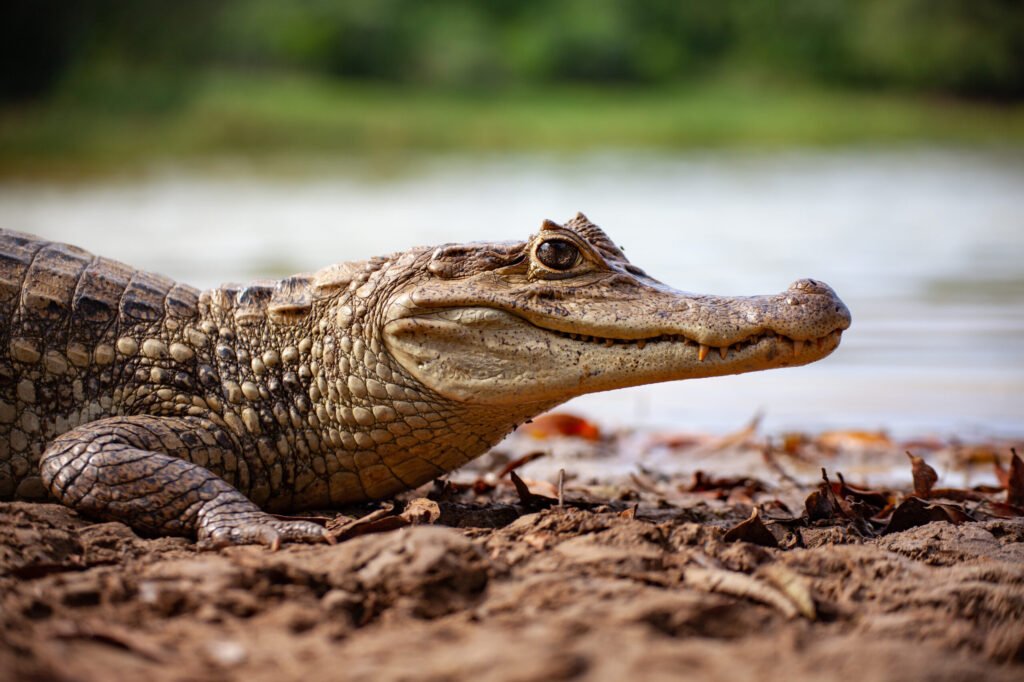
Its scientific name is Caiman crocodilus, and it is named for the distinctive bony ridge located between its eyes. This ridge resembles a pair of spectacles or eyeglasses, giving the species its common name.
The Spectacled Caiman is often considered the most abundant crocodilian species in the Americas due to its wide distribution and ability to thrive in a variety of habitats.
Where Do Spectacled Caimans Live?
The Spectacled Caiman has one of the largest ranges of any crocodilian species.
It can be found in:
- Mexico
- Belize
- Guatemala
- Honduras
- Nicaragua
- Costa Rica
- Panama
- Colombia
- Venezuela
- Ecuador
- Peru
- Brazil
- Bolivia
- Guyana
- Suriname
- French Guiana
This extensive range allows the species to occupy numerous freshwater ecosystems throughout tropical regions of the Americas.
Physical Characteristics
Distinctive “Spectacles”
The most recognizable feature of the Spectacled Caiman is the bony ridge between its eyes. This ridge gives the appearance of eyeglasses and helps distinguish the species from other caimans.
Size
Adult males typically reach:
- 5 to 8 feet in length
- 100 to 300 pounds in weight
Large males may occasionally exceed 8 feet under ideal conditions.
Females are generally smaller than males.
Coloration
Juveniles often display yellowish or olive coloration with dark bands and markings that help camouflage them from predators.
Adults typically become darker with age, developing olive-green, brown, or gray coloration.
Habitat and Adaptability
One reason for the Spectacled Caiman’s success is its ability to adapt to many different environments.
Common habitats include:
- Rivers
- Marshes
- Lakes
- Wetlands
- Flooded forests
- Mangrove swamps
- Agricultural waterways
Unlike some crocodilian species that require specific environmental conditions, Spectacled Caimans can tolerate a wide range of habitats.
This flexibility has helped them maintain healthy populations across much of their range.
Diet and Hunting Behavior
The Spectacled Caiman is an opportunistic predator that feeds on a wide variety of animals.
Common prey includes:
- Fish
- Frogs
- Crabs
- Snails
- Insects
- Birds
- Small mammals
- Reptiles
Juveniles primarily consume insects and small aquatic animals, while larger adults target bigger prey.
Like most crocodilians, Spectacled Caimans rely on ambush hunting techniques. They remain motionless near the water’s surface before striking rapidly when prey approaches.
Spectacled Caiman vs American Alligator
Although both belong to the Alligatoridae family, there are several important differences.
| Feature | Spectacled Caiman | American Alligator |
|---|---|---|
| Scientific Name | Caiman crocodilus | Alligator mississippiensis |
| Native Range | Central & South America | Southeastern United States |
| Average Length | 5–8 feet | 8–13 feet |
| Family | Alligatoridae | Alligatoridae |
| Habitat | Tropical wetlands | Swamps and marshes |
| Distribution | Very Wide | Limited to North America |
While American alligators are larger, Spectacled Caimans are far more widespread geographically.
Evolution and Ancient Origins
Like all crocodilians, the Spectacled Caiman descends from ancient archosaurs that lived alongside dinosaurs more than 200 million years ago.
Its ancestors survived mass extinction events, climate changes, and shifting continents to eventually give rise to modern caiman species.
Many of the characteristics seen in Spectacled Caimans today—including armored skin, powerful jaws, and ambush-hunting behavior—have remained effective for millions of years.
These adaptations have helped crocodilians become one of the most successful reptile groups in Earth’s history.
Reproduction and Life Cycle
Female Spectacled Caimans construct nests using vegetation, mud, and debris.
A typical nest may contain:
- 20 to 40 eggs
- Incubation periods lasting approximately 90 days
- Protective maternal care
Like many crocodilians, the temperature of the nest influences the sex of developing hatchlings.
After hatching, young caimans often remain near their mother for protection during their most vulnerable months.
Conservation Status
Unlike many crocodilian species that have experienced severe declines, Spectacled Caiman populations remain relatively stable throughout much of their range.
The species is currently considered one of the most successful crocodilians in the world.
However, local populations still face threats from:
- Habitat destruction
- Pollution
- Illegal hunting
- Human encroachment
Conservation programs continue to monitor populations to ensure long-term sustainability.
What Can Spectacled Caiman Skulls Teach Us?
Spectacled Caiman skulls provide valuable information about crocodilian anatomy and evolution.
Their skulls feature:
- Conical teeth for gripping prey
- Strong jaw muscles
- Reinforced cranial structures
- Sensory openings for detecting movement
When compared to American alligator skulls, Spectacled Caiman skulls tend to be narrower and more lightly built, reflecting differences in diet and habitat.
These anatomical differences help scientists understand how crocodilian species evolved to occupy unique ecological niches.
Why the Spectacled Caiman Matters
The Spectacled Caiman plays an important ecological role throughout the wetlands of Central and South America.
As a predator, it helps regulate populations of fish, amphibians, crustaceans, and other aquatic animals. Healthy caiman populations contribute to balanced wetland ecosystems and support overall biodiversity.
Their success also provides researchers with valuable insights into crocodilian evolution, adaptation, and conservation.
Conclusion
The Spectacled Caiman is one of the most successful crocodilians in the world. Its adaptability, broad geographic range, and fascinating evolutionary history have allowed it to thrive throughout Central and South America.
From tropical rivers and flooded forests to mangrove swamps and marshes, the Spectacled Caiman continues to play a vital role in the ecosystems it inhabits.
Whether studied for its biology, admired for its resilience, or examined through its unique skull anatomy, the Spectacled Caiman remains one of the most remarkable members of the crocodilian family.
Frequently Asked Questions About Spectacled Caimans
Why is it called a Spectacled Caiman?
The species gets its name from the distinctive bony ridge located between its eyes, which resembles a pair of eyeglasses or spectacles.
How large do Spectacled Caimans get?
Most adult males reach 5 to 8 feet in length, although exceptionally large individuals can exceed 8 feet.
Where do Spectacled Caimans live?
They are found throughout Central and South America, occupying rivers, lakes, marshes, wetlands, and flooded forests.
Are Spectacled Caimans related to alligators?
Yes. Spectacled Caimans belong to the family Alligatoridae, making them close relatives of American and Chinese alligators.
What do Spectacled Caimans eat?
Their diet includes fish, frogs, insects, crustaceans, birds, reptiles, and small mammals.
Are Spectacled Caimans endangered?
No. The Spectacled Caiman is considered one of the most abundant and successful crocodilian species, although local populations may face conservation challenges.